

The Power of Sport: How Sports Like Football Support SEND Children
Are you a supply teacher or teaching assistant looking for some help and advice? If so, you are in the right place. Our blogs offer tips and tricks on everything from classroom management to interview tips and support, along with day in the life case studies from real supply teachers, ECTs and cover supervisors. They also give you an insight into what working for Smile is like, the ways which we support local communities and charities and the training and events that we offer.
For more good stuff like this, follow us on social media - you can find us on Facebook, Instagram, Twitter and LinkedIn. Or pick up the phone and give us a call.
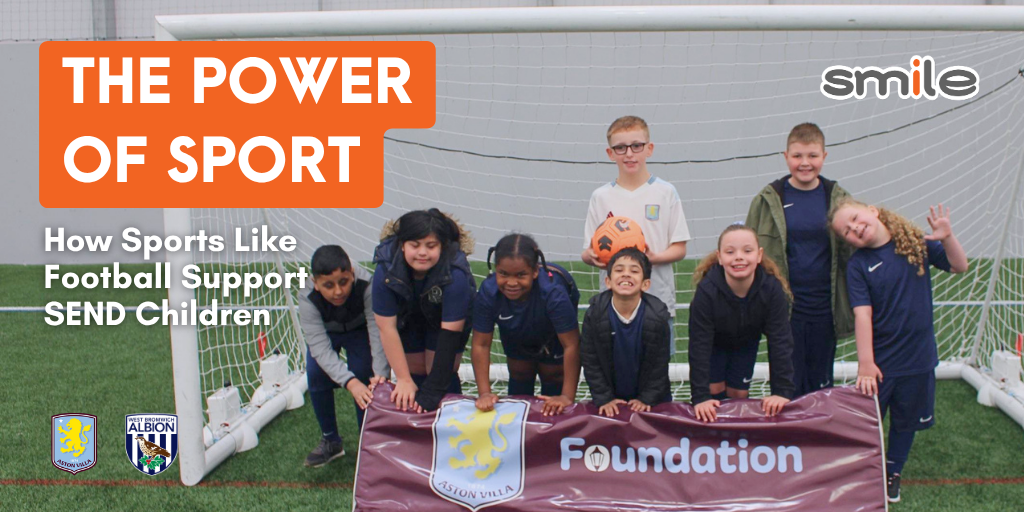
An interview with Smile Education Recruitment Consultant and former SEND Sports Coach, Curtis
Sport can be about so much more than competition. For children and young people, it can provide opportunities to build confidence, develop friendships, discover new interests and, perhaps most importantly, feel that they belong.
For children with special educational needs and disabilities (SEND), access to those opportunities isn't always straightforward. That's something Curtis, a Recruitment Consultant at Smile Education and former SEND sports coach, has seen first-hand.
Before joining Smile, Curtis worked across primary and secondary schools as a TA, one-to-one support worker and SEN sports coach. His experience working directly with children has given him a unique perspective on the role sport can play in supporting their development.
As part of Smile Education's commitment to the schools and communities we work with, we run our Smile Soccer Stars tournaments, giving SEND pupils the opportunity to get involved in competitive sport alongside children from other schools.
We sat down with Curtis to talk about his experience, the challenges SEND children can face when accessing sport and why he believes initiatives like Soccer Stars can make such a difference.
What was your previous role before joining Smile?
I started as agency staff as a TA, working as one-to-one support. I worked my way up to become a SEN sports coach, which I did across a few schools in Birmingham, both primary and secondary. I then spent a year in mainstream primary as a sports coach.
What were some of the main challenges you noticed SEND children faced, both in the classroom and when it came to extracurricular activities?
I think the biggest one, straight off the bat, is accessibility.
These events haven't always been accessible for kids with SEN. In mainstream education, it's often those pupils who get the tournaments and the opportunities to play against other schools. There's also the question of whether a child is safe to take out of school. If there's a child with SEN, nine times out of ten, they can get left behind because of the risk assessment and the time and effort needed to think through what might go wrong.
That's why accessibility is so important. Children shouldn't miss out on opportunities simply because providing them requires a little more planning.
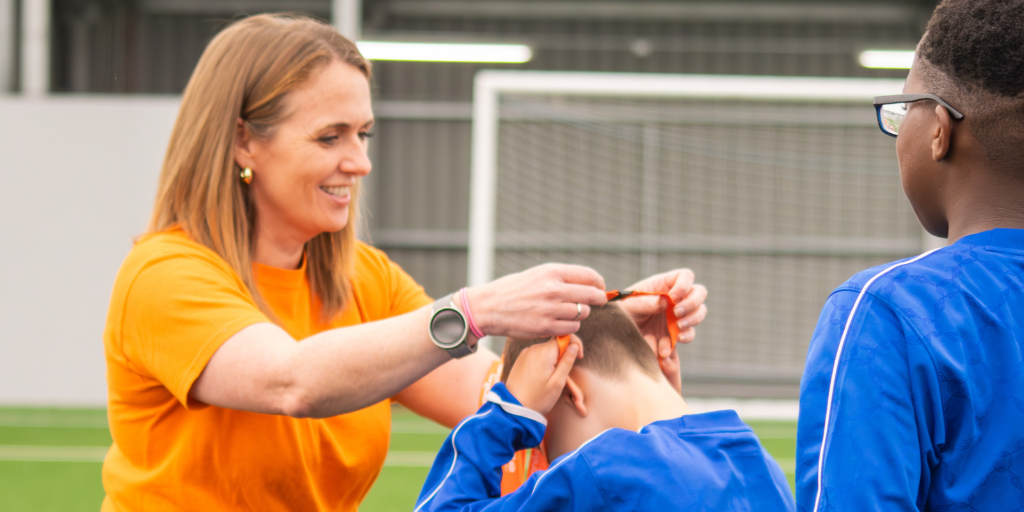
What challenges do SEND schools face when supporting children's development beyond the classroom?
Again, accessibility is a big one. But even outside school, there isn't always a lot going on.
Technology plays such a massive part in children's lives, especially for some children with SEN. At times, they find it easier to stay inside and be comfortable at home. A lot of their social life is then online.
Trying to introduce something new, like football or basketball, can therefore be quite intimidating for children who have spent a lot of time inside.
For families too, there can be a temptation to take the easiest route. If a child is happy at home, it's understandable that parents might not want to push them outside their comfort zone.
But that can sometimes mean they don't get to explore new opportunities and discover what they're capable of.
What made you go into SEND sports coaching?
My mum and dad had always told me how good I was with young children, even when I was growing up. I knew I didn't want to be a teacher and university wasn't the route for me, so I wanted to find a way of using my sporting background in what I did.
My first job was as one-to-one support for a boy in Warwick. I absolutely loved it. When he moved from primary school into Year 7, I had to find a new school, and that's when I moved into the sports side of things.
I also wasn't the best kid growing up and had my own challenges. Looking back, I think that helped me relate to children.
Sometimes, teachers can seem like they've got everything figured out. They've been to university, they've got their qualifications, and seemingly, they've never put a foot wrong. Some children can struggle to relate to that.
I was more of a ‘fun uncle’ sort of character. We'd get the lessons done, but I'd also be someone they could approach and talk to. Hopefully, I helped them enjoy education again.
Why did you choose to move into recruitment as an SEND specialist?
My family had mentioned that recruitment could be a really good fit for me. It's personable and social, and I'll chat to anyone and try to help anyone I can. I'd also spent around seven years working with children and wanted a new challenge after coming back from Australia.
Recruitment allows me to keep using my expertise and experience. I still spend a lot of time talking and interacting with schools and children, including through volunteering at tournaments like Soccer Stars.
I'm doing something new, but I still get that sense of achievement from helping schools and children - just through a slightly different avenue.
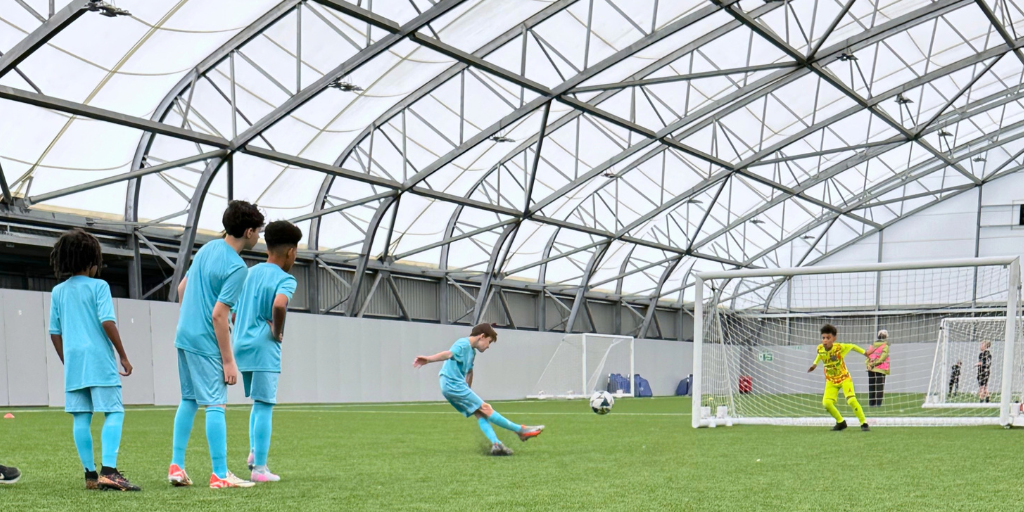
In your experience, what has been the biggest impact you've seen sport have on children?
At the start of my sports journey, I'd have children coming into lessons who weren't really present, or who were feeling anxious.
For children who thrive on structure and repetition, having a new face can be a massive thing. But over time, I'd see those same children looking forward to my lessons and getting really excited to see me.
When I came back from Australia, I went to visit my old school and was swarmed by about 200 kids! The headteacher had to blow his whistle to calm things down but it was genuinely so heartwarming.
I also supported a couple of boys in SEN who were really talented at football. Their parents weren't too familiar with how the football system worked here, so I helped them get to an open trial. They absolutely loved it.
And even now, I still have moments that remind me why the work is so rewarding. I went to the driving range recently and one of my former students came up to me and asked, "Do you remember me?" Of course I did.
He's given up football now and gone down the golf route, but it was really nice to see him enjoying another sport.
It's those moments that make you feel like you've played a positive part in a child's life.
Do you think it's important to give children access to different types of sport?
Absolutely. Especially in the UK, we get so caught up with football.
Even if you're a great footballer, sports like tennis, basketball and golf can teach you so many different mental and physical attributes. And not everyone likes football.
There need to be different avenues for children to explore, and I think that's the beauty of SEN. I've seen children who absolutely love football and are doing things you might not expect from them. But there are also children who might look at their cousins or neighbours playing sport and think, that's not accessible for me.
That's why putting on events like Smile Soccer Stars is such a positive thing. It gives students the opportunity to be around other students of similar abilities who might be experiencing the same day-to-day challenges.
They're not the odd one out. They're part of something.
Why do you think it's important for companies like Smile Education to support SEND children?
I think it's about giving back to the community. Schools do so much for us. Without schools investing in and trusting us, we wouldn't be a business. The least we can do is give something back.
The whole ethos of a school is children first, so what better way of saying thank you to a school than doing something directly for the children?
The staff are thrilled, the children get to come out of school and experience something different, and it's just a great thing for schools to be involved in. It's about doing that little bit in the community and setting something up that gives children an opportunity they might not otherwise have.
What do you love most about the SEND tournaments at Smile?
The organised chaos!
Everybody is focused on one thing, but everyone has a completely different reason for being there.
Some kids are there to get out of school. Some are there to score amazing goals. Some are just there to run around like a maniac and have fun. Even the teachers are different. Some are so heavily invested in managing their team and making sure they're top of the table that you can't get a word out of them! Other coaches will come along and be happy to chat to anyone.
It's crazy, but it's brilliant. And seeing the smiles is the best part. You see how grateful the children are when they leave.
Towards the end of the year, when they start recognising your face and getting more familiar with you, they'll give you high fives. They'll get involved with the warm-ups, kick the ball through your legs and then chase you around. That's always good fun.
But I think the development in confidence is the biggest thing. Some of these children may have written themselves off at some point and thought, I can't do this.
Then you look at some of the children who came at the start of the year, who were scared to run at the ball, and now they're going for it. They don't even wait for their teacher - they're sprinting straight onto the pitch.
That's what makes these events so special.
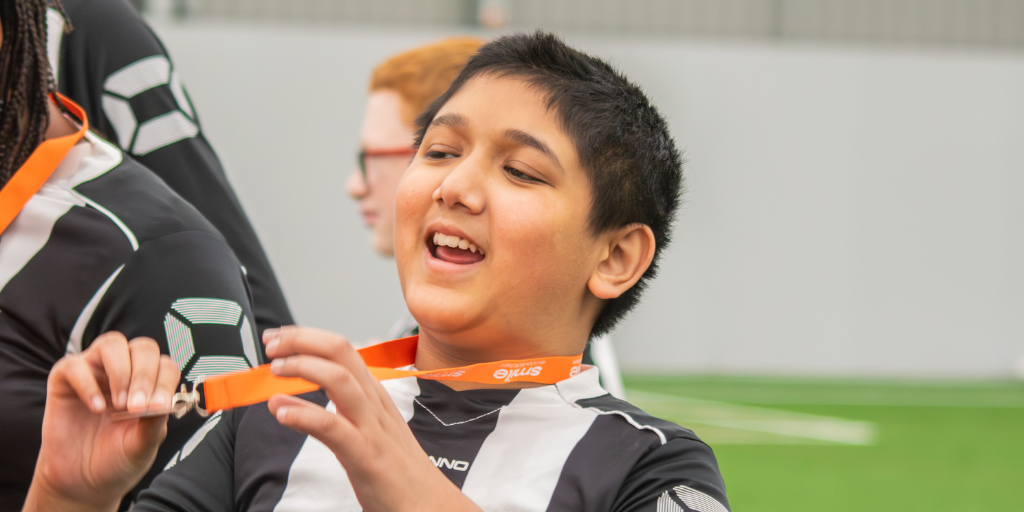
More than just a football tournament
Curtis's experience highlights why access to sport matters. For SEND children in particular, opportunities to participate, compete and simply have fun alongside their peers can help build confidence and create memories that extend far beyond the pitch.
At Smile Education, we believe our role within schools goes beyond recruitment. The relationships we build with schools and communities matter to us, and we're proud to support initiatives that put children first.
Our Smile Soccer Stars tournaments are one way we can give back to the schools we work with, creating inclusive sporting opportunities where children of different backgrounds and abilities can come together, get active and enjoy being part of a team.
Because sometimes, it's not about who scores the most goals or who finishes top of the table.
It's about giving a child the opportunity to think, "I can do this."
And that can be incredibly powerful.
Add a comment:
Blog Categories
Latest Blogs
Teacher Launches Mindfulness Support Group in Birmingham for Mental Health Awareness Month
Inclusive Education Starts With the Right Support: What SEND Training Means for Schools
Safer Recruitment: Why Ongoing Training Matters for Education Recruiters
Academy Trust Handbook 2026: Key Changes from 1 October
5 Top Tips for Becoming a Teaching Assistant in 2026










Website by BARE
Company reference number: 08608284 | Registered VAT number: 174372303
Registered Address: Smile Education, The Colmore Building, Colmore Circus Queensway, Birmingham, B4 6AT